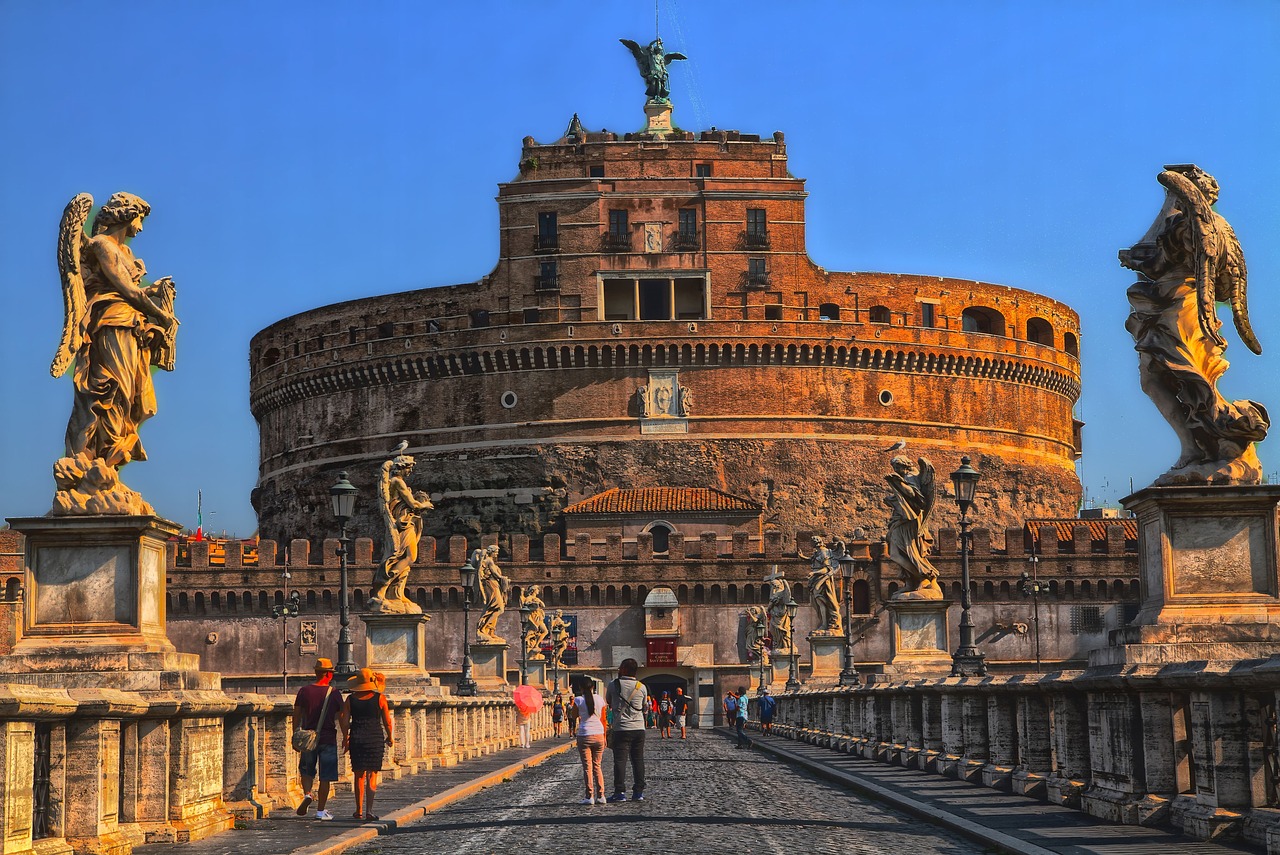
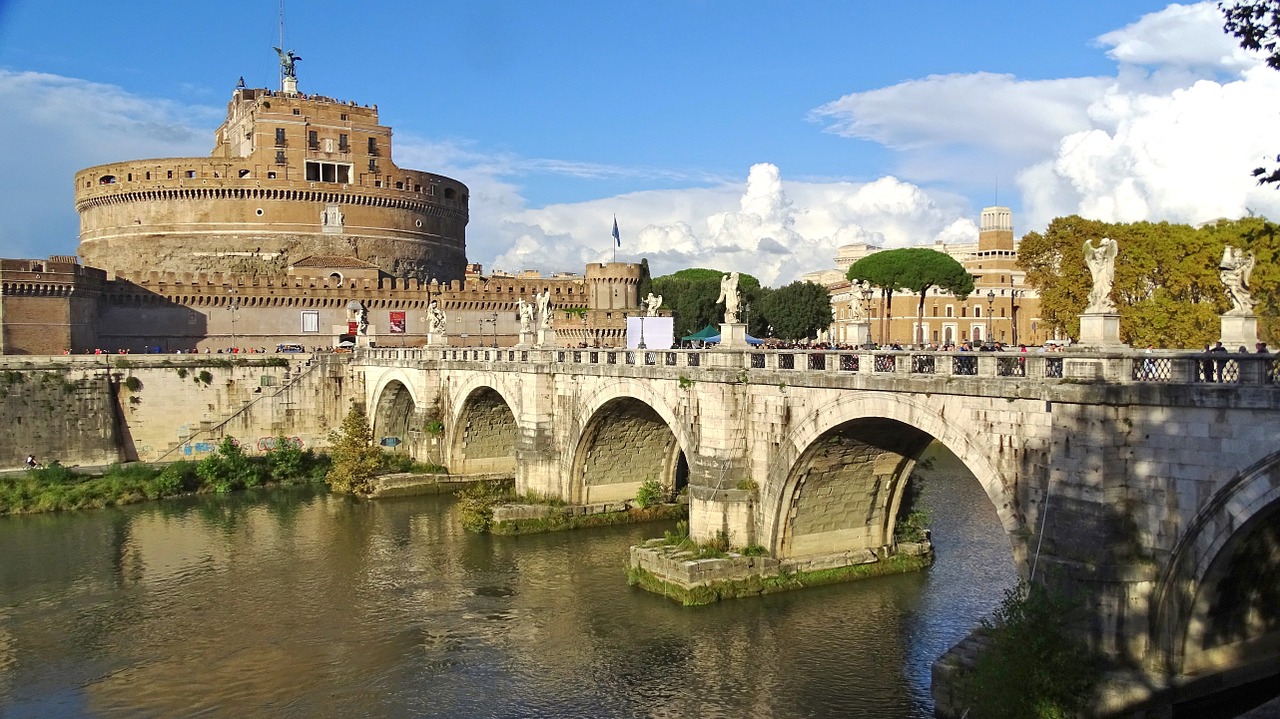
Castel Sant'Angelo rises directly on the banks of the Tiber, topped by a statue of the Archangel Michael. Behind its massive walls are former papal apartments, historic prisons, the famous Passetto di Borgo, and exhibition rooms filled with art and archaeological finds. The rooftop terrace offers one of the best views in Rome, over St. Peter's Basilica, the Tiber, and the old town.
History of Castel Sant'Angelo
The history of Castel Sant'Angelo goes back more than 2,000 years. Between 134 and 139 AD, Emperor Hadrian had it built as a mausoleum for himself and his family. The monumental tomb, built from travertine and marble, was originally topped by a quadriga: a four-horse chariot with a statue of Hadrian.
In the 5th century, the mausoleum was absorbed into the Aurelian Walls and converted into a fortress. Over the following centuries, it played an important role in defending Rome.
It got its current name in the 6th century. According to legend, the Archangel Michael appeared above the fortress to Pope Gregory the Great during a procession against the plague in 590 AD and sheathed his sword, signaling the epidemic’s end. A statue of the angel was later placed on top in commemoration, giving the castle its name.
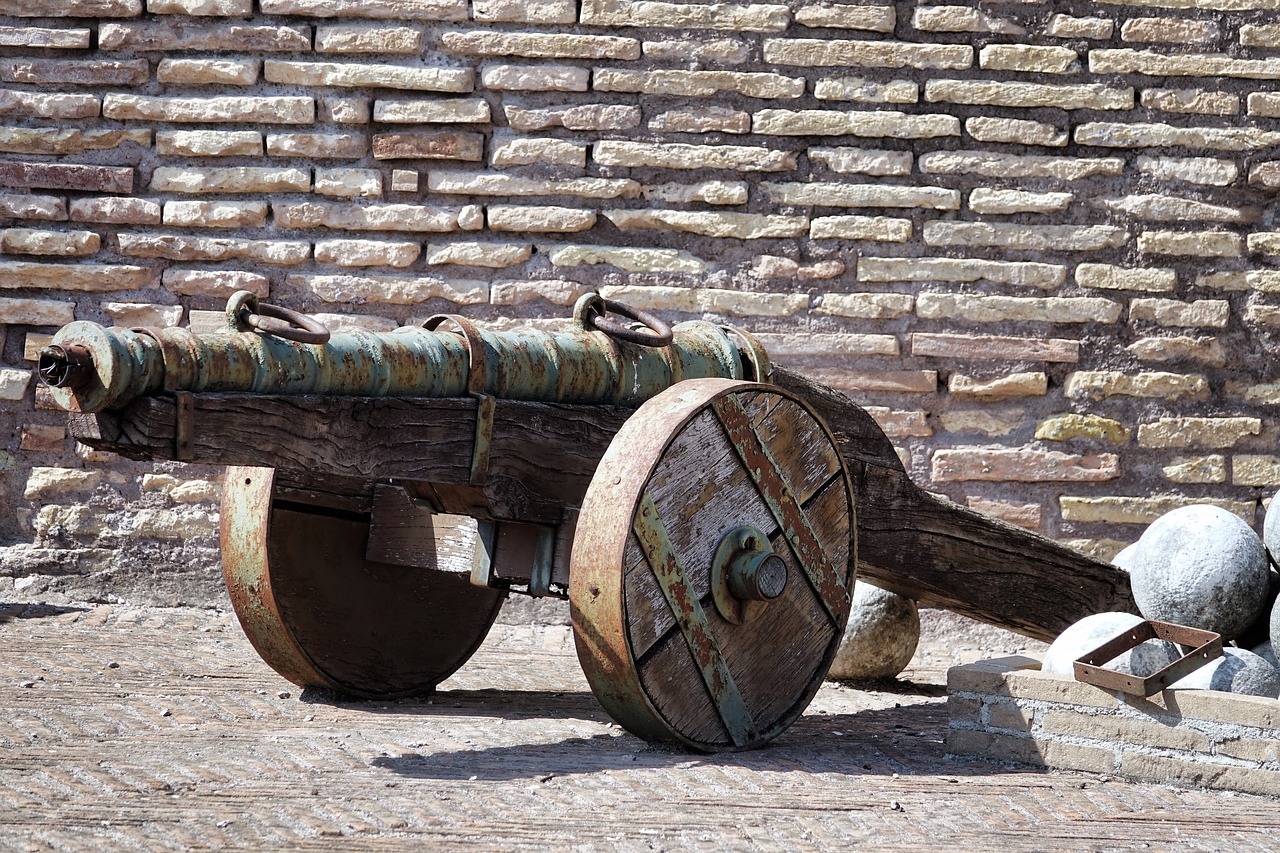
During the Middle Ages and the Renaissance, Castel Sant'Angelo served the popes as a fortress, a refuge, and at times a residence. The Passetto di Borgo, a roughly 800-meter covered passage, let them reach the Vatican quickly in an emergency. Over the centuries, various artists decorated the papal apartments inside.
Since 1906, Castel Sant'Angelo has housed the Museo Nazionale di Castel Sant'Angelo. Today, the visit takes you through nearly 2,000 years of history, from imperial Rome to the Renaissance.
Opening hours
Castel Sant'Angelo is open daily year-round except Mondays, from 9:00 AM, with last entry at 6:30 PM. Aside from Monday, the only regular closing days are January 1 and December 25.
| Monday | Closed |
| Tuesday | 9:00 AM – 7:30 PM |
| Wednesday | 9:00 AM – 7:30 PM |
| Thursday | 9:00 AM – 7:30 PM |
| Friday | 9:00 AM – 7:30 PM |
| Saturday | 9:00 AM – 7:30 PM |
| Sunday | 9:00 AM – 7:30 PM |
Since August 2026, Castel Sant'Angelo also opens on the first Monday of every month for "Lunedì di Castello," from 2:00 PM to 8:00 PM, last entry 7:00 PM. A special €5 ticket applies on this day.
Free admission to Castel Sant'Angelo
Yes, on select days. Every first Sunday of the month, Rome offers free admission to Castel Sant'Angelo with no reservation required. Admission is also free year-round for children and teenagers under 18, and for visitors with disabilities plus one companion.
How long are the wait times at Castel Sant'Angelo?
Entry runs on a timed schedule, with a new slot roughly every 15 minutes. Without a ticket booked in advance, the ticket counter line can add up, especially in high season. An online-reserved time slot skips that line.
Tickets & Prices
Adults pay €18.00 for a ticket on-site. EU citizens between 18 and 25 get the discounted ticket for €2.00. Admission is free for everyone under 18, and for visitors with disabilities plus one companion. Because of the building’s layout and terrain, a full visit is only partly accessible for wheelchair users.
| Adults (25+) | €18.00 |
| EU citizens (18–25) | €2.00 |
| Non-EU citizens (18–25) | €18.00 |
| Children / teens (under 18) | Free |
| Audio guide | €5.00 |
Where can you buy Castel Sant'Angelo tickets?
Tickets are available directly at the ticket counters or online in advance. Booking online saves you the sometimes long wait at the counter, for a small reservation fee on top of the on-site price.
The Castel Sant'Angelo ticket is automatically valid for eight days for admission to the Museo Nazionale di Palazzo Venezia as well, whether bought online or on-site.
Buy tickets online
Direct booking, flexible cancellation up to 24 hours before your visit.
Directions & Location
Castel Sant'Angelo sits right on the banks of the Tiber, close to the Vatican in the center of Rome. If you're already visiting the Vatican, it's a short walk over to Castel Sant'Angelo. From the other side of the Tiber (Piazza Navona, the Pantheon), it's also just a few minutes on foot. Since there's no metro station nearby, the easiest way to reach Castel Sant'Angelo is on foot or by bus, as mentioned above.
On foot, no metro station nearby
Highlights – What to See
More Than 2,000 Years of History
From Emperor Hadrian's mausoleum to a fortress to today's national museum, few buildings in Rome have gone through as many different roles.
View from the Rooftop Terrace
The rooftop terrace looks out over St. Peter's Basilica, the Tiber, and the rooftops of Rome's old town.
The Popes' Secret Escape Route
The Passetto di Borgo connects Castel Sant'Angelo to the Vatican and served the popes as an escape route in dangerous times.
Explore Historic Rooms
Visit former papal apartments, fortifications, prisons, and exhibitions that bring nearly two millennia of history to life.
Photo Gallery
Frequently Asked Questions
Castel Sant'Angelo was built between 134 and 139 AD as a mausoleum for Emperor Hadrian and his family. It later became a fortress, a papal refuge, and eventually a museum.
The name comes from a legend dating to 590 AD. Pope Gregory the Great is said to have seen the Archangel Michael above the fortress, sheathing his sword as a sign that the plague had ended.
Yes. Visitors can see the former papal apartments, prisons, exhibition rooms, the inner courtyard, and the rooftop terrace overlooking Rome.
The Passetto di Borgo is a roughly 800-meter covered passage connecting Castel Sant'Angelo to the Vatican. It served the popes as an escape route during times of crisis.
Plan for about 1.5 to 2 hours for the full visit. With an audio guide or a guided tour, it can take longer.